How many grams of protein you actually need per day

See how many grams of protein per day you need, from the 0.8g RDA baseline to the higher range research cites for active adults, by bodyweight in one table.

 admin
admin
See how many grams of protein per day you need, from the 0.8g RDA baseline to the higher range research cites for active adults, by bodyweight in one table.

See how many grams of protein in an egg by size, small to jumbo, plus white versus yolk and raw versus cooked, straight from USDA FoodData Central figures.

Protein shakes explained: what happens after you drink one, how fast whey, casein and plant protein digest, the 20 g synthesis ceiling, and shake vs food.

Amy Schumer weight loss before and after photos raise questions. See the realistic diet, activity, sleep and health factors behind the visible change.

Ryan Seacrest’s weight loss has fans asking what changed. See the diet, movement, sleep and supplement habits behind sustainable routine shifts like his.

The best vitamin C serum for sensitive skin sits at 10 percent L-ascorbic acid, not 20. See what the pH really does and which gentle forms fall short.

Picking the best vitamin d supplement for men? Check the form, the dose against the 4,000 IU daily limit, and what the prostate research actually found.
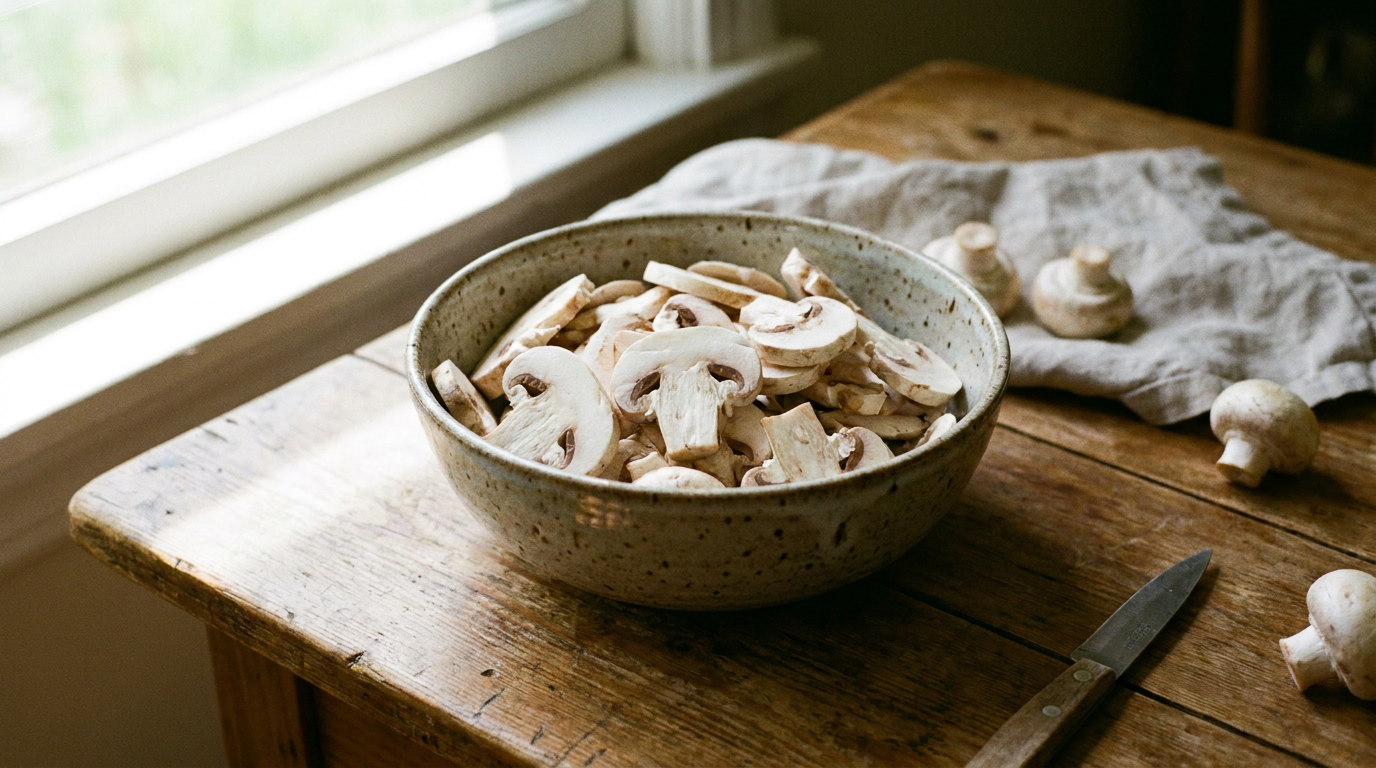
Vitamin D2 foods are a shorter list than you expect. See which mushrooms and fortified products carry ergocalciferol, with real IU figures per serving.
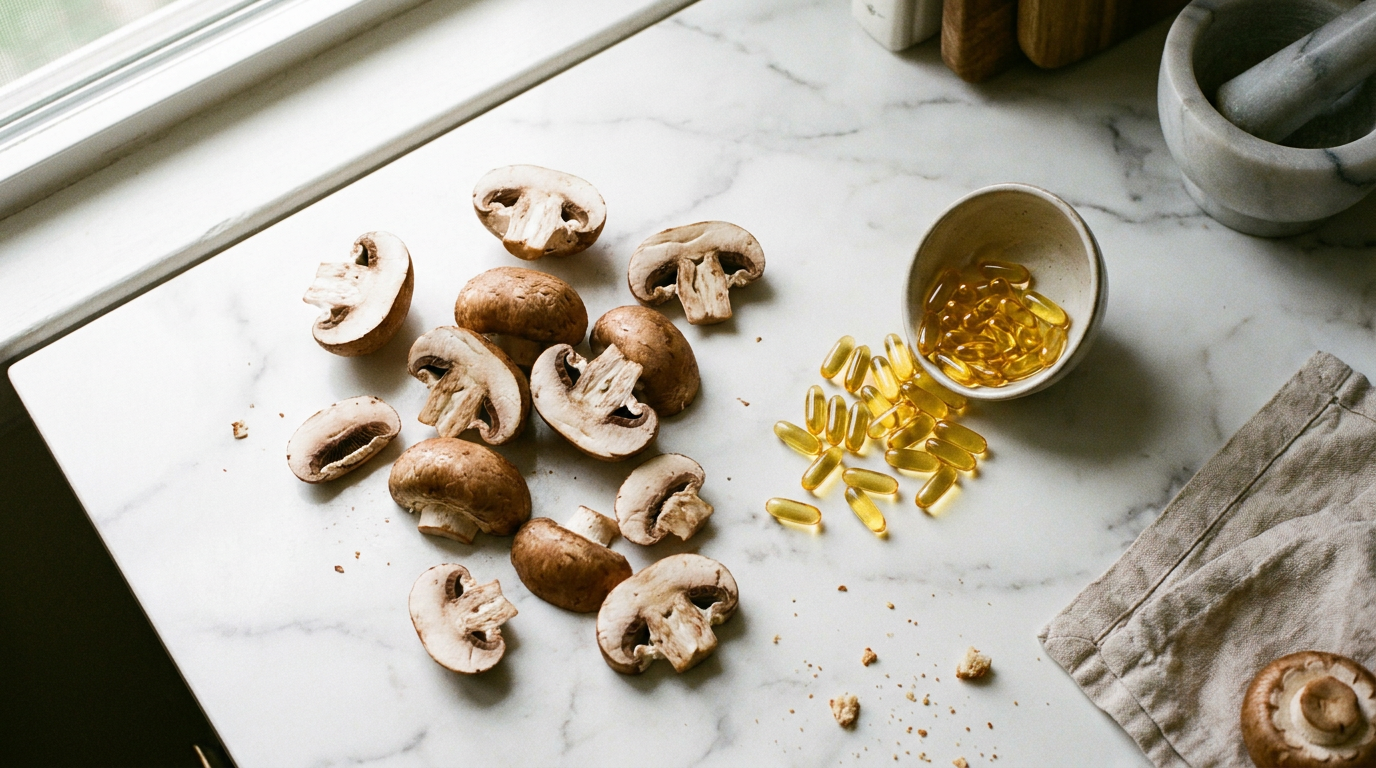
Vitamin D2 vs D3 compared: which form raises your blood level longer, what the mcg and IU numbers really mean, and why a pharmacist would hand you D2.
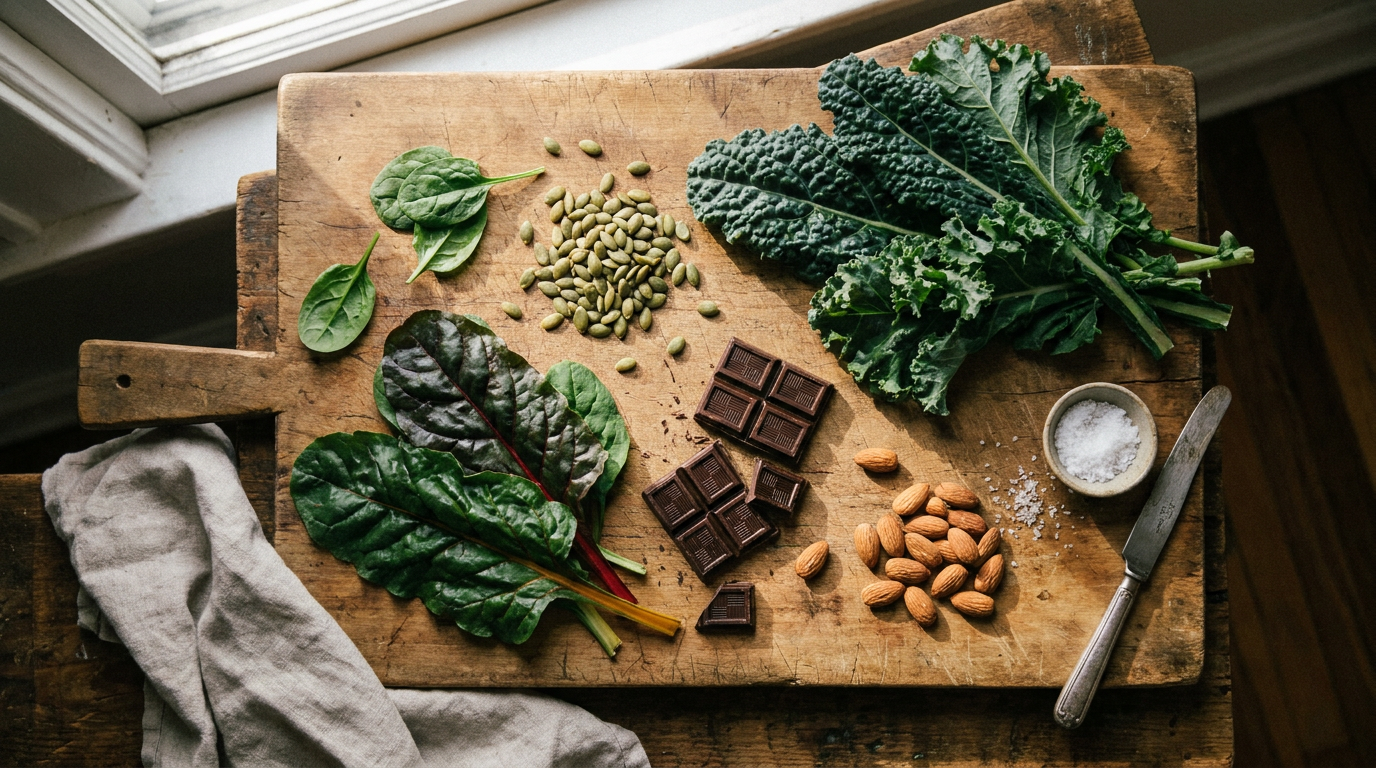
Magnesium taurate benefits explained in full: how this lesser-known heart-focused form compares to magnesium glycinate and citrate, and who reaches for it.

Magnesium malate vs citrate: malate skips the laxative reputation, citrate causes it by design. See why capsule counts differ and how to read the label.
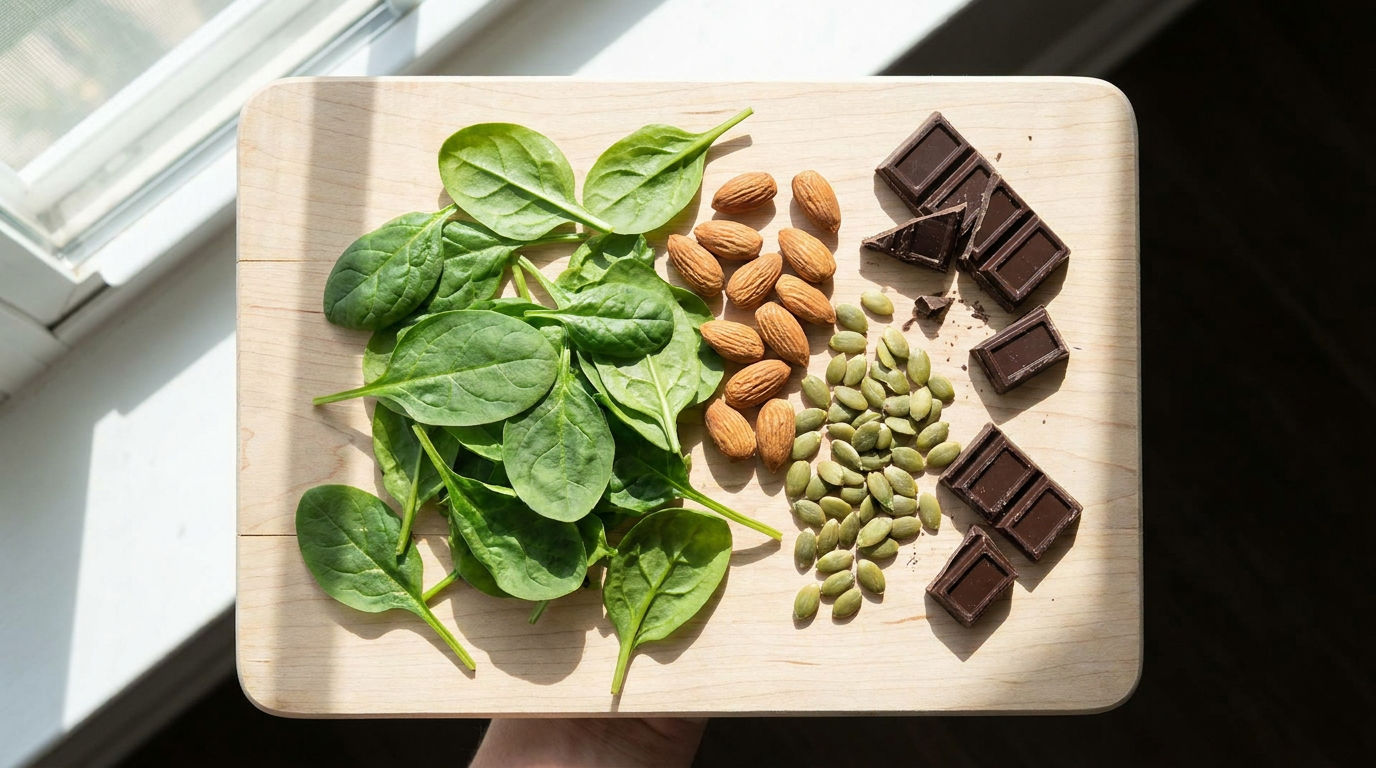
Magnesium malate benefits get pitched hard for energy and soreness, but the marketing targets specific people. See what the evidence actually backs up.

Magnesium complex benefits sound impressive on the label, but not every claim holds up under evidence. See which effects have real support and which fall short.

A magnesium complex blends citrate, glycinate, oxide, malate, taurate, and threonate into one bottle. See what that label term really means before you buy.
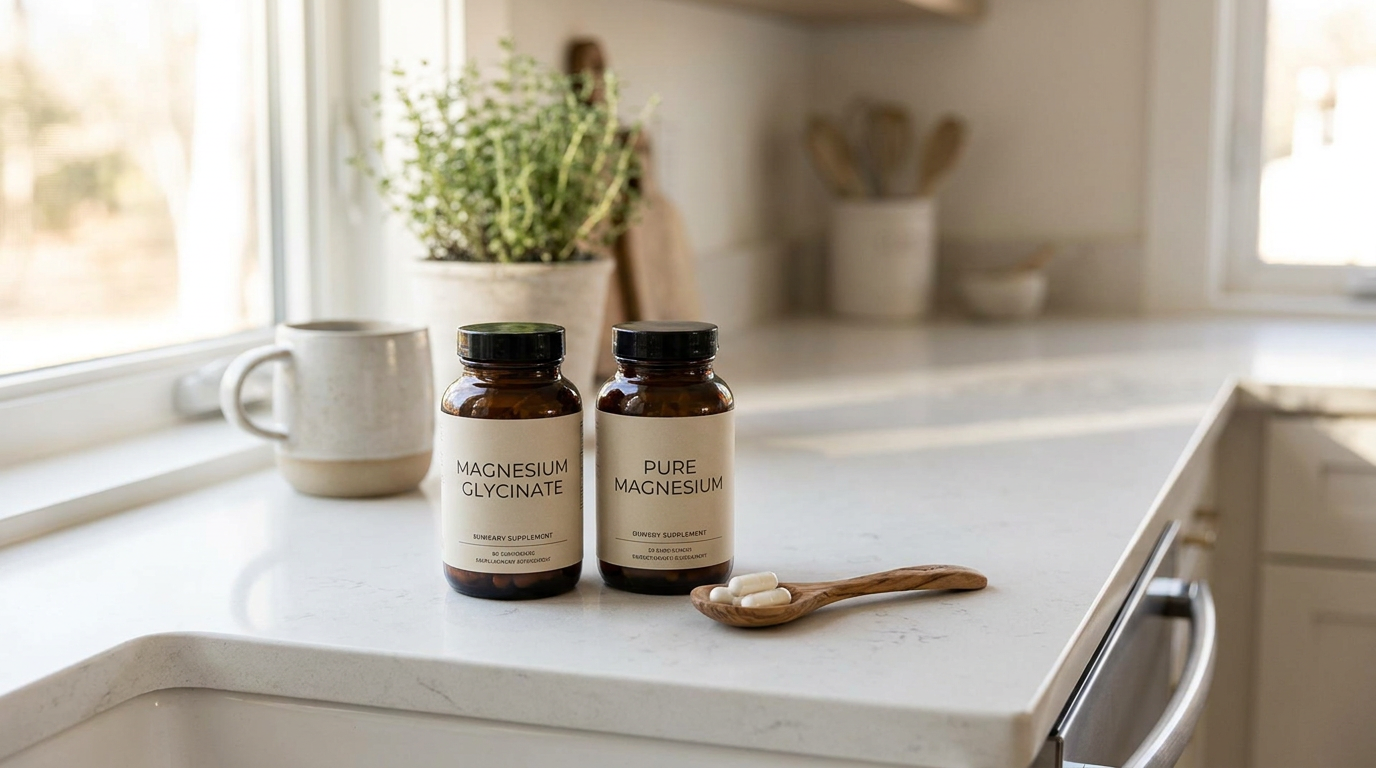
Oxide is cheap but poorly absorbed, while glycinate costs more and is generally gentler. Compare value and absorption, then check with your doctor.

Glycinate calms for sleep, threonate targets brain focus. Compare how each magnesium form works and which one may fit your goals, then ask your doctor.

Magnesium glycinate is gentler on digestion and linked to sleep, while magnesium citrate absorbs faster but can loosen stools. See which form fits you.
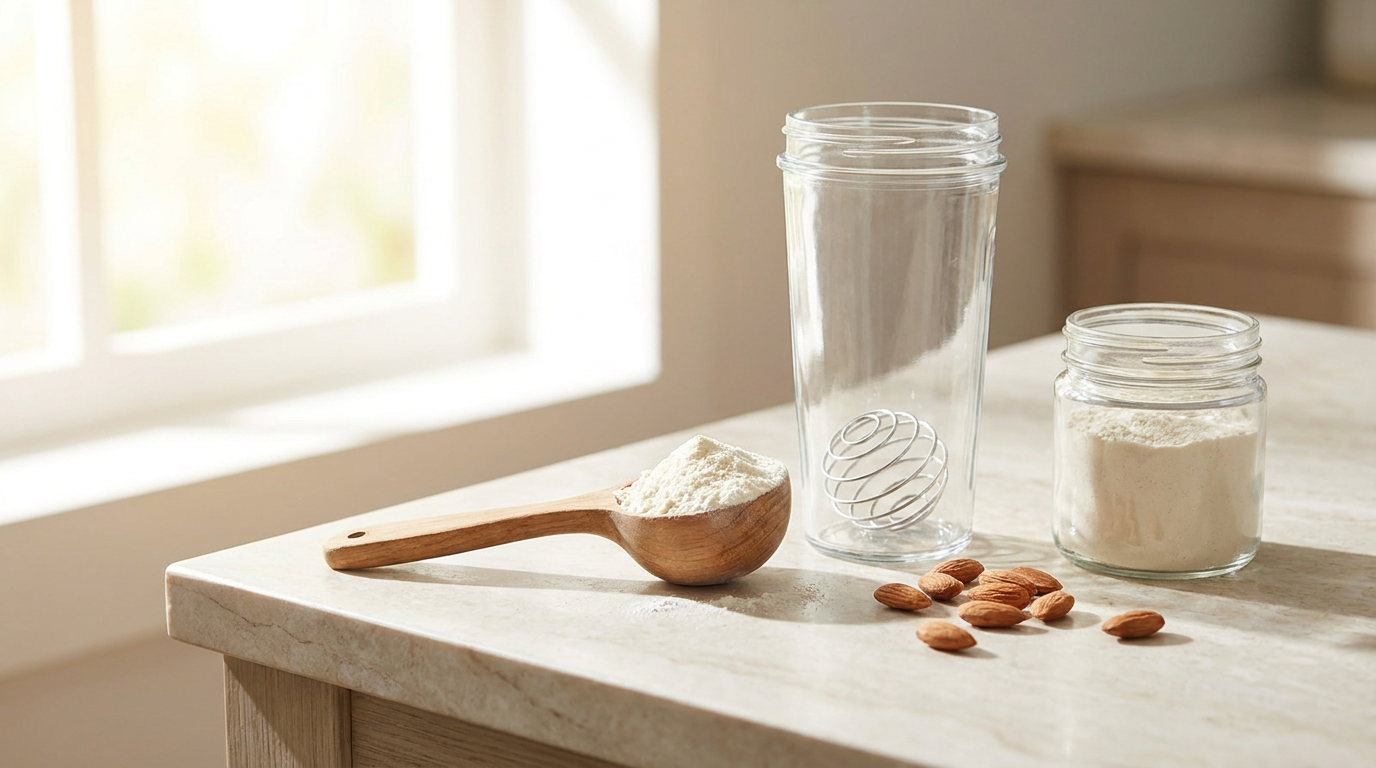
The real whey protein isolate benefits: more protein per scoop, less lactose and fat than concentrate, faster digestion. See when paying more is worth it.

Whey protein isolate vs whey protein: what the label percentage, lactose, fat, and price actually reveal, so you can pick the right tub for your goals.

Curious how is protein powder made? See the real steps from raw dairy whey to filtering, drying, and packaging it, plus how plant-based protein differs.