Histamine Intolerance: Why Fermented Foods Cause Anxiety

Fermented foods triggering anxiety? Histamine intolerance and low DAO enzyme activity may be the cause. Symptoms, foods, and what to do next.

 Dr. Marcus Reid
Fermented foods triggering anxiety? Histamine intolerance and low DAO enzyme activity may be the cause. Symptoms, foods, and what to do next.
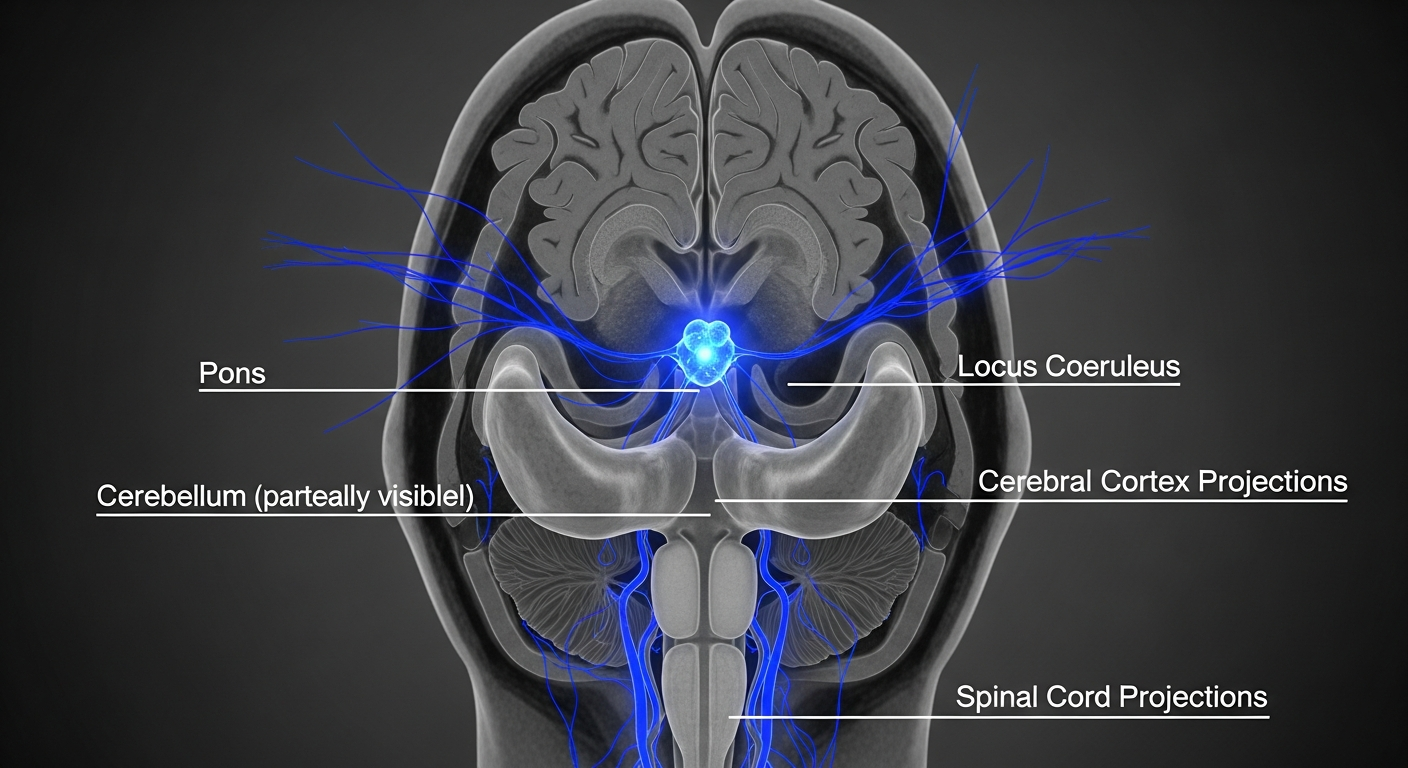
Locus coeruleus norepinephrine anxiety explained: how this tiny brainstem nucleus controls your alarm system, why it misfires in PTSD, and what actually modulates it. (161 chars)
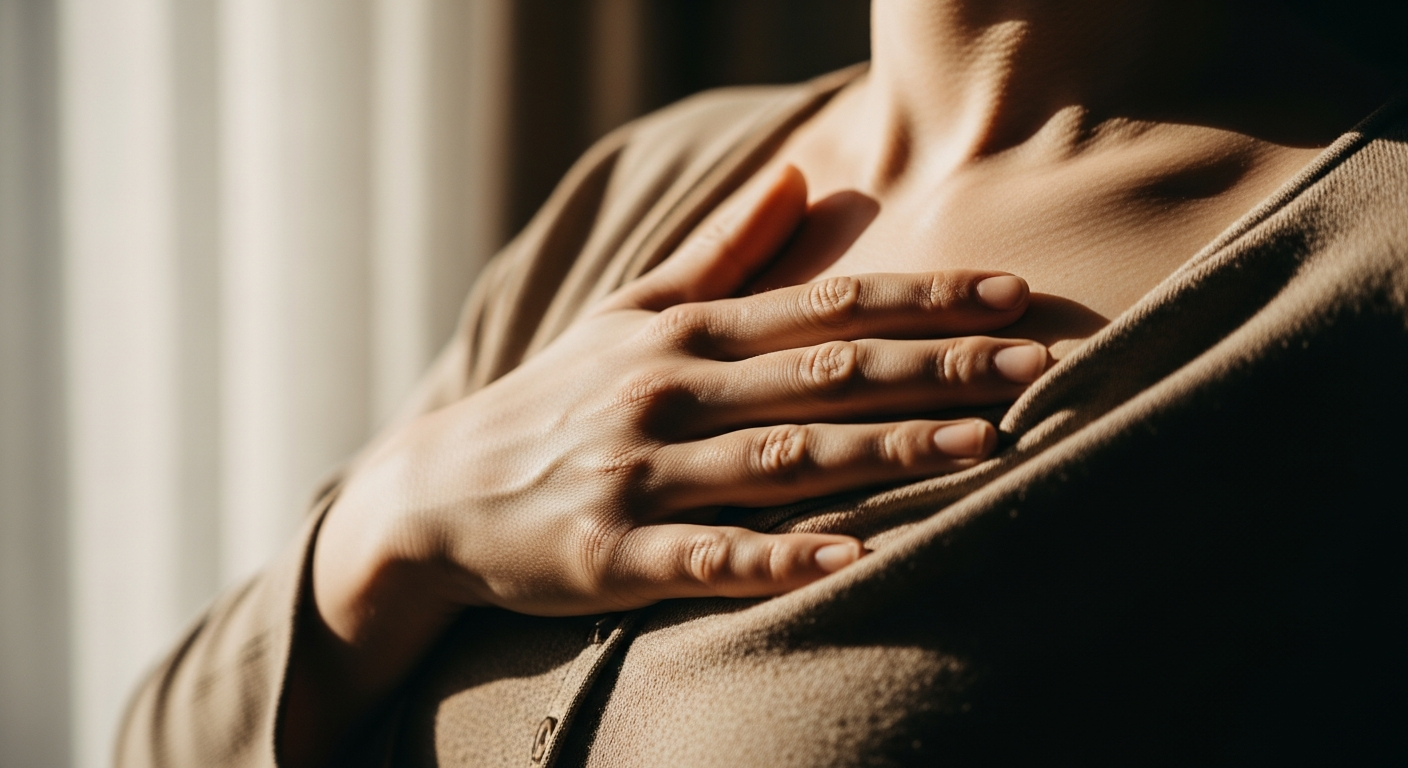
Anxious people have higher body signal sensibility but lower accuracy. Learn the Garfinkel framework and how to retrain interoception correctly.
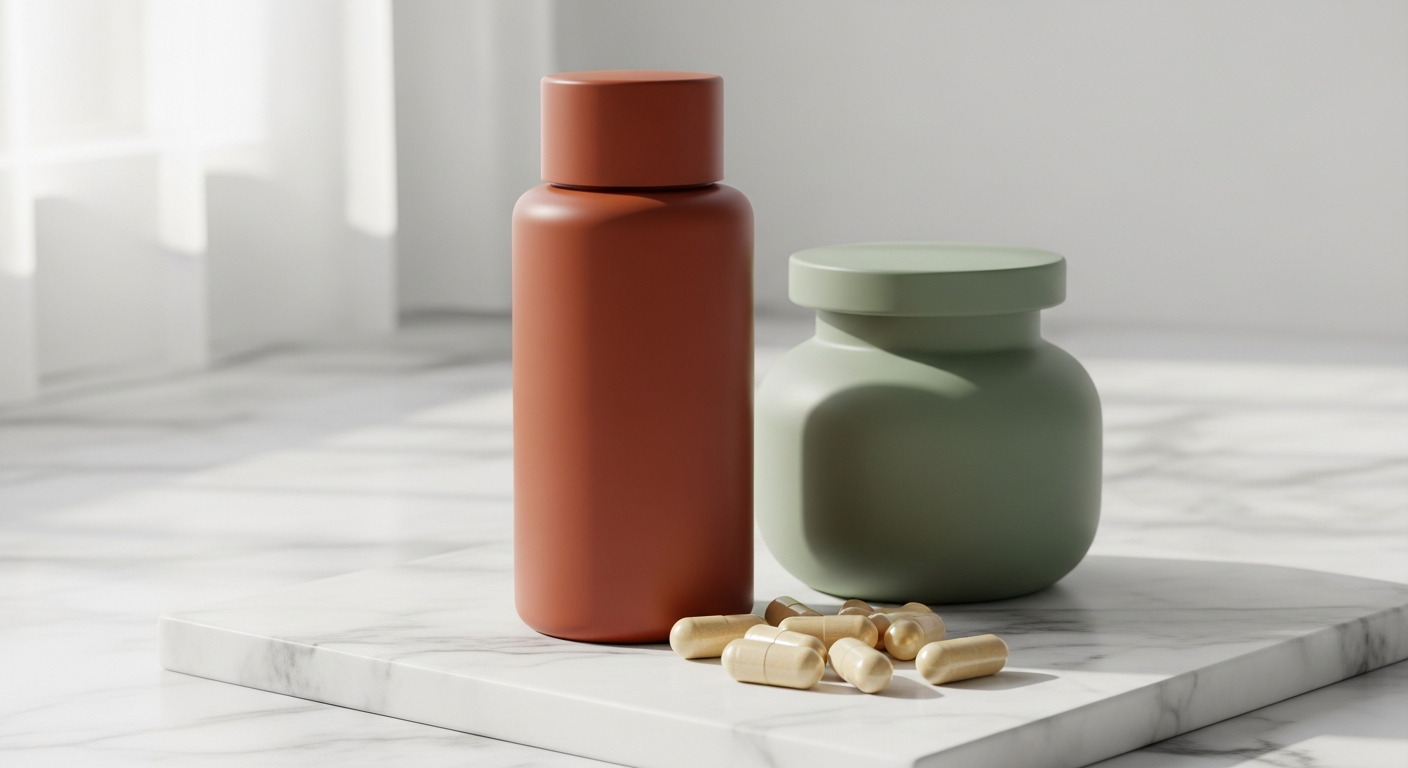
Magnesium glycinate vs citrate for anxiety: which form crosses the BBB, the bioavailability data, and the dose that actually works for sleep.

Sertraline emotional blunting affects 40-60% of long-term SSRI users. The 2023 Cambridge study shows why: impaired reinforcement learning, not sedation.
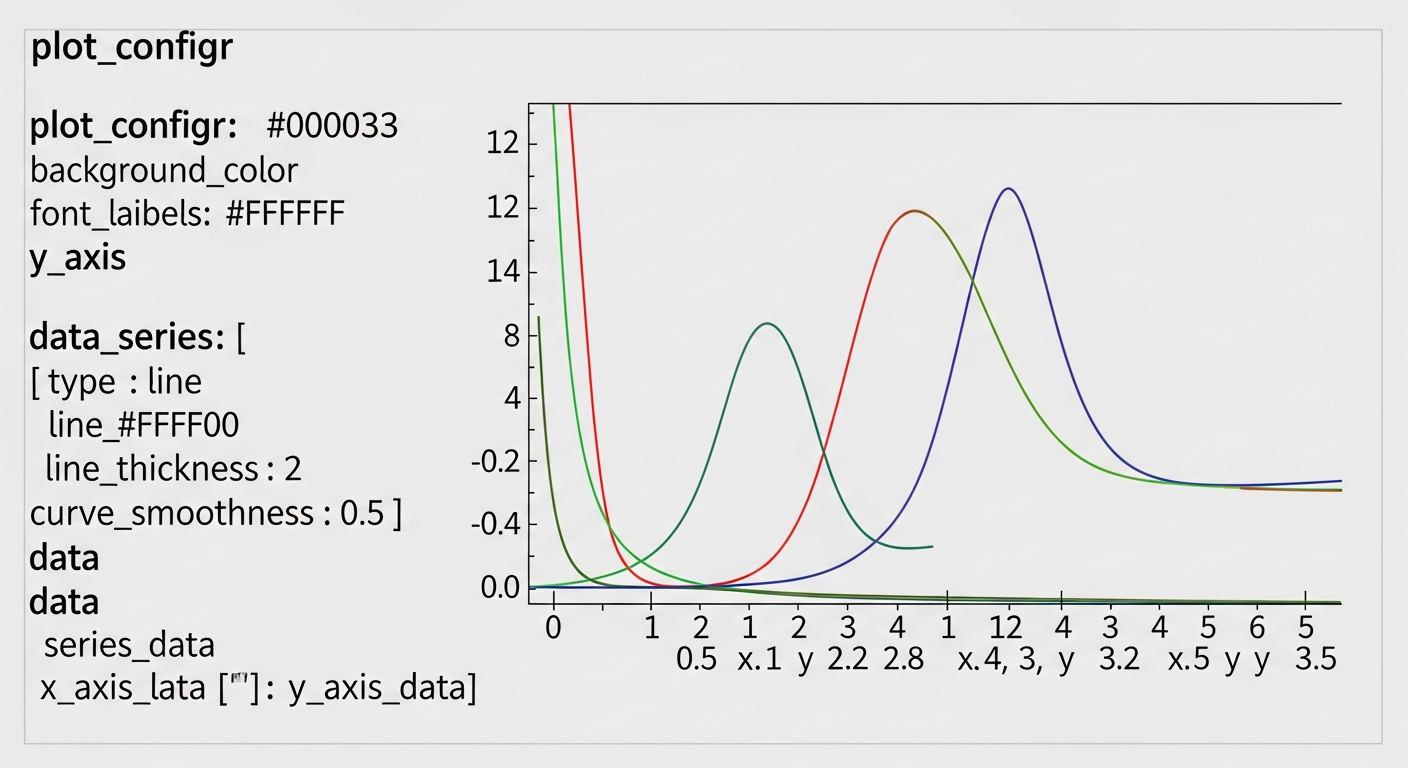
The Vyvanse crash is a dopamine rebound, not a side effect. Learn the pharmacokinetic reason it hits 8-12 hours post-dose and the timing fix that prevents it.
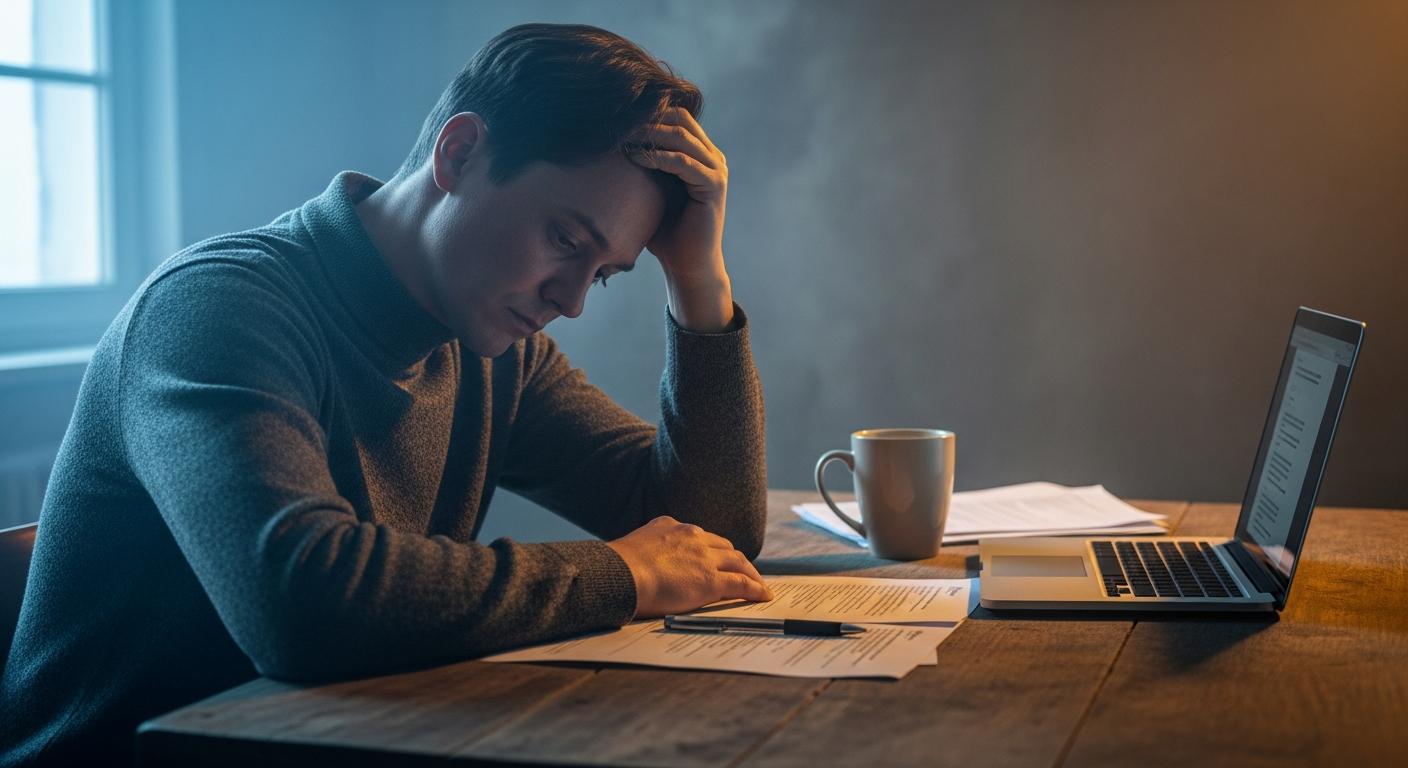
Is adrenal fatigue real? The Endocrine Society says no. Here is what the evidence actually shows and what tests to ask for instead.
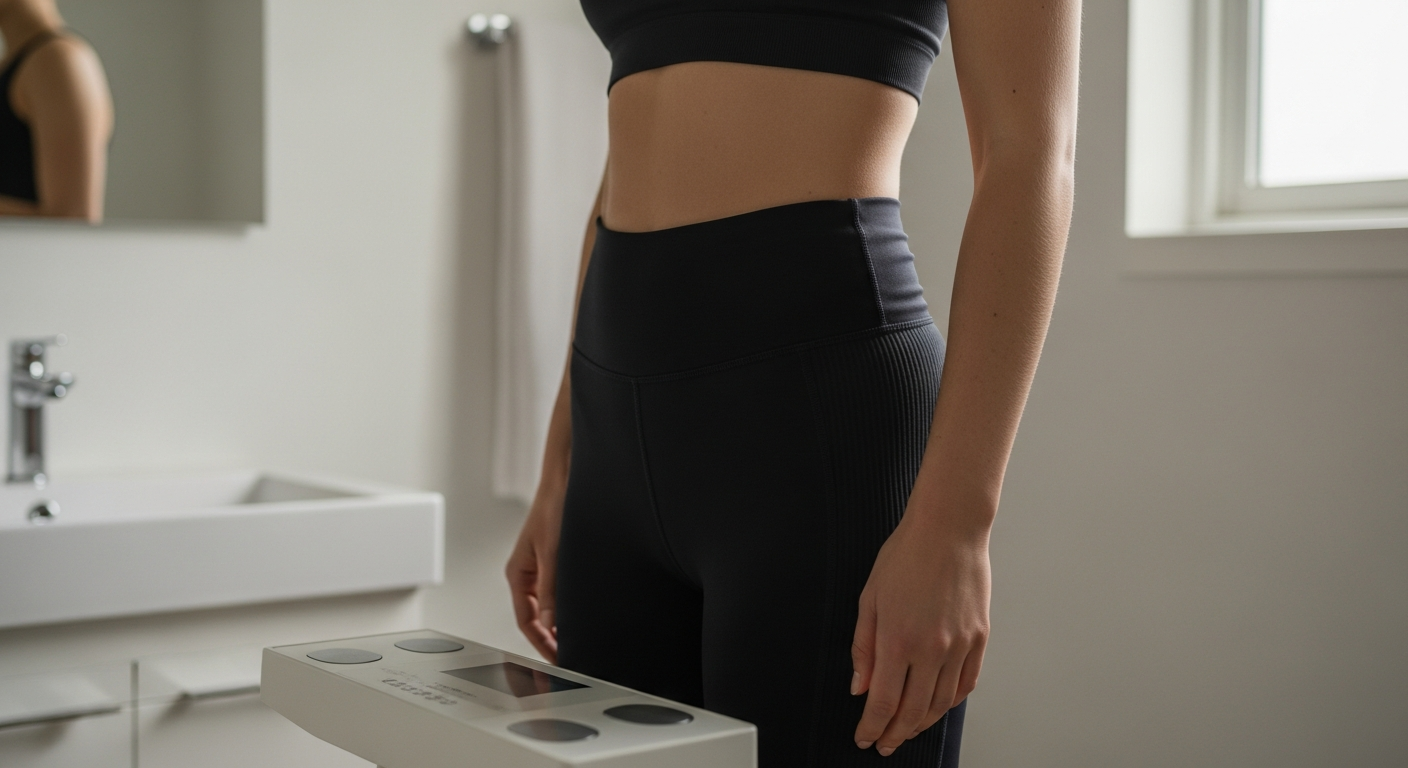
Metabolic adaptation makes weight loss stall even when you diet correctly. Learn what drives it, how long it lasts, and what actually works against it.
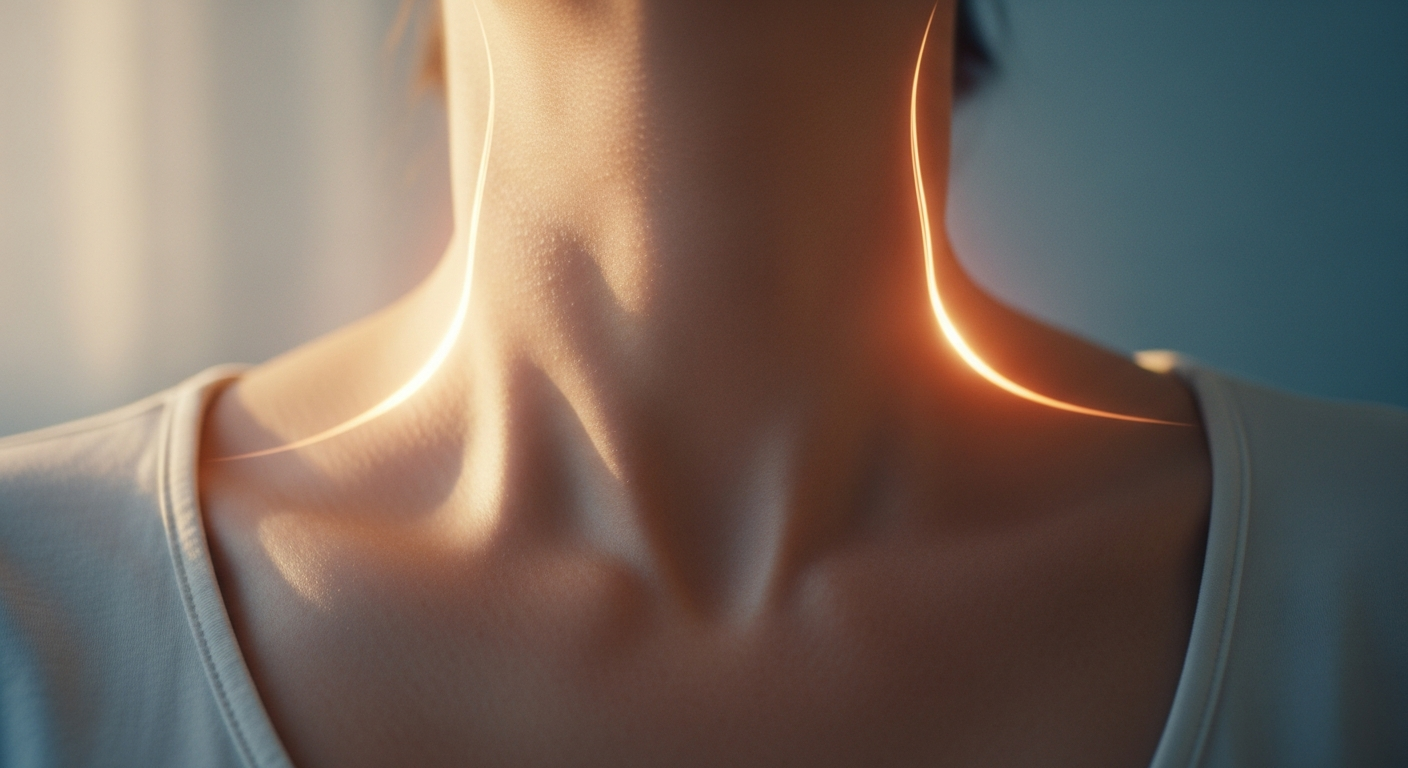
Polyvagal theory explained: ventral vagal, sympathetic, dorsal vagal. The clinical framework, the science debate, and what to use anyway.
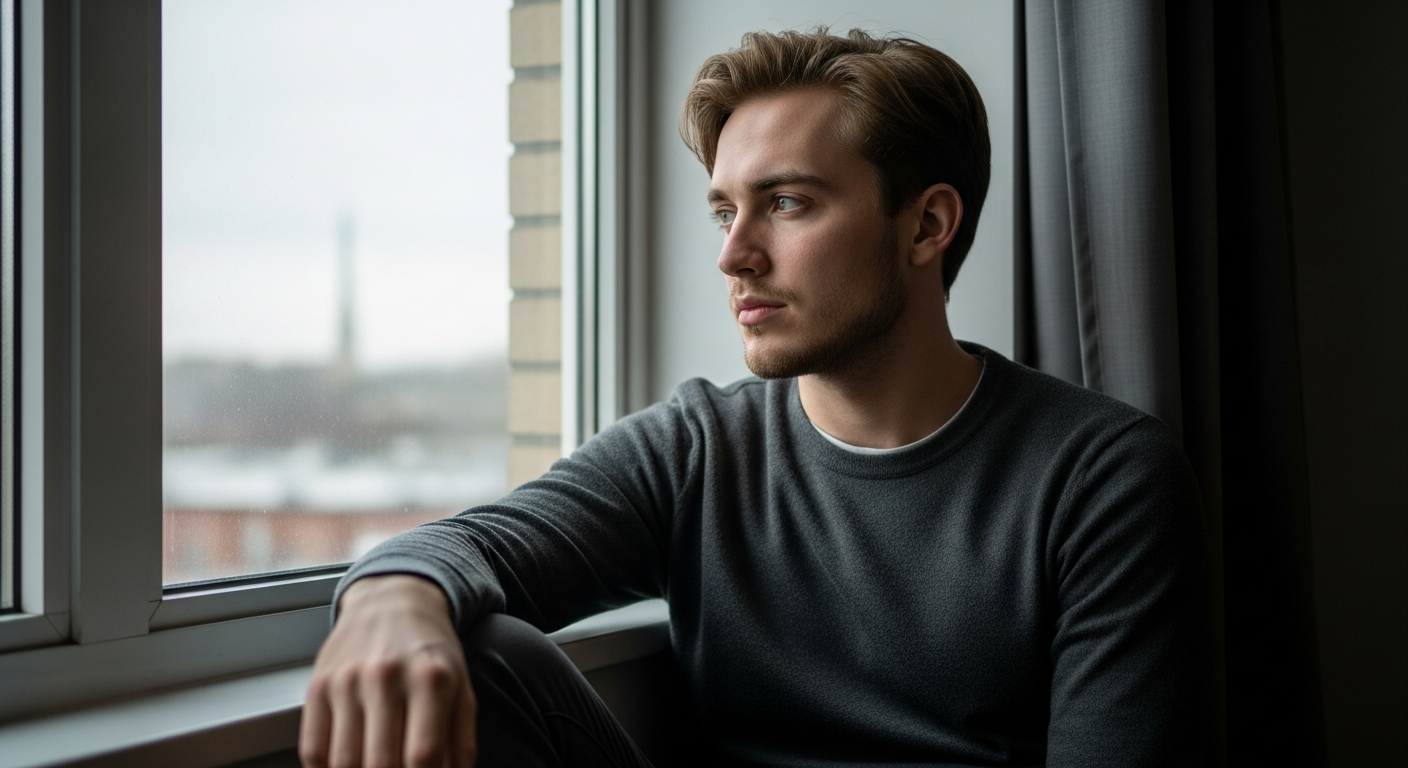
Alexithymia affects 10% of people and 40-50% of autistic adults. Learn the TAS-20 criteria, the anterior insula deficit, and what actually helps.
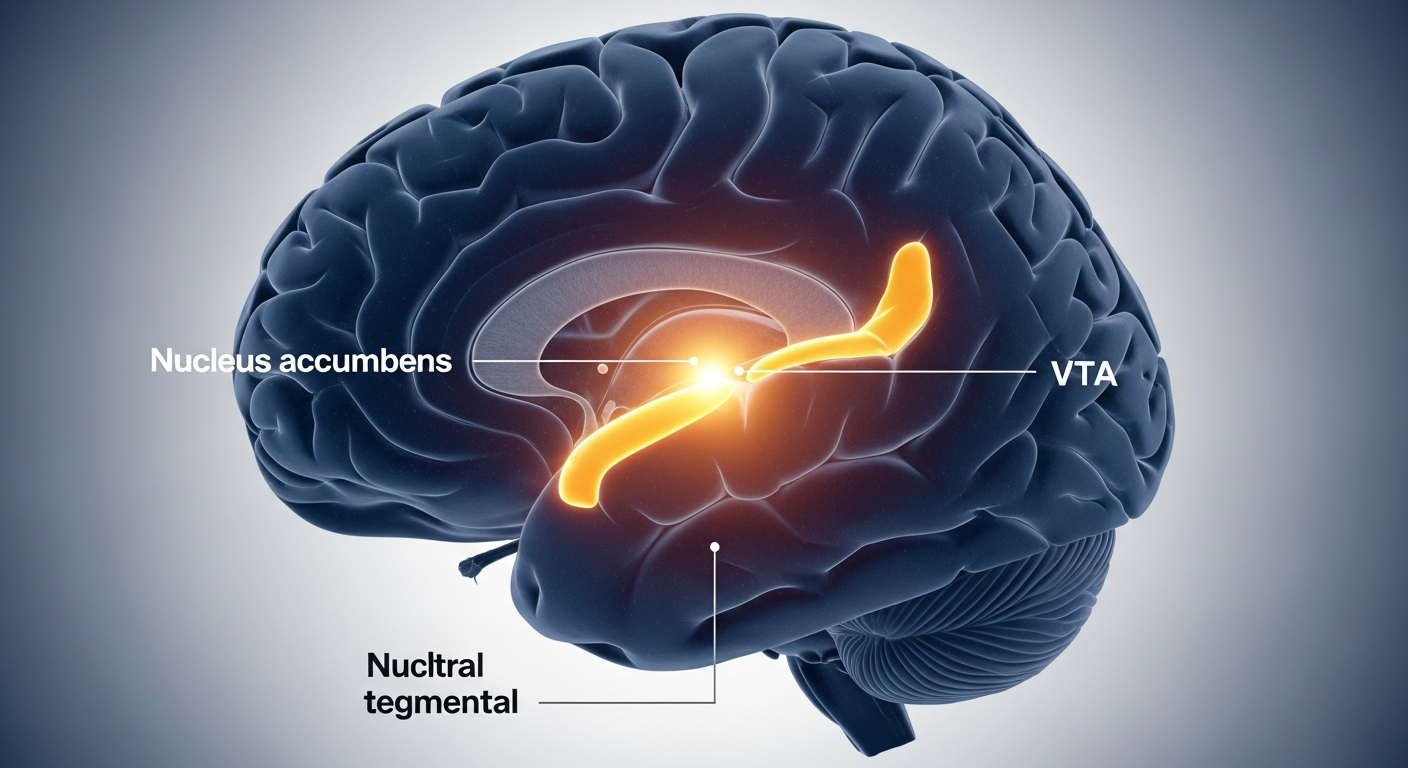
Anhedonia and dopamine explained: why depression kills pleasure, how the mesolimbic circuit fails, and which treatments actually restore it. (158 chars)
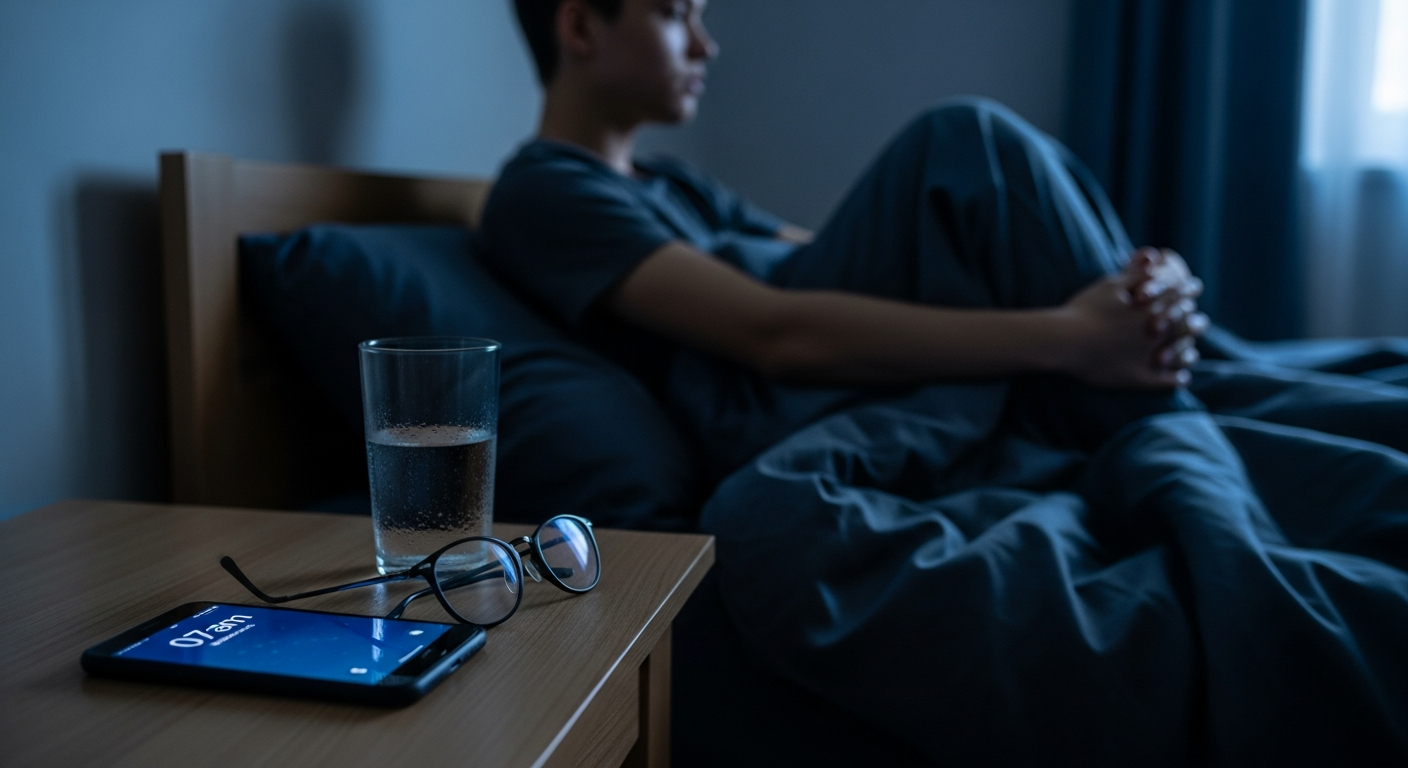
Delayed sleep phase syndrome is a real circadian disorder, not a habit. Learn what shifts your clock, why willpower fails, and what treatment actually works.
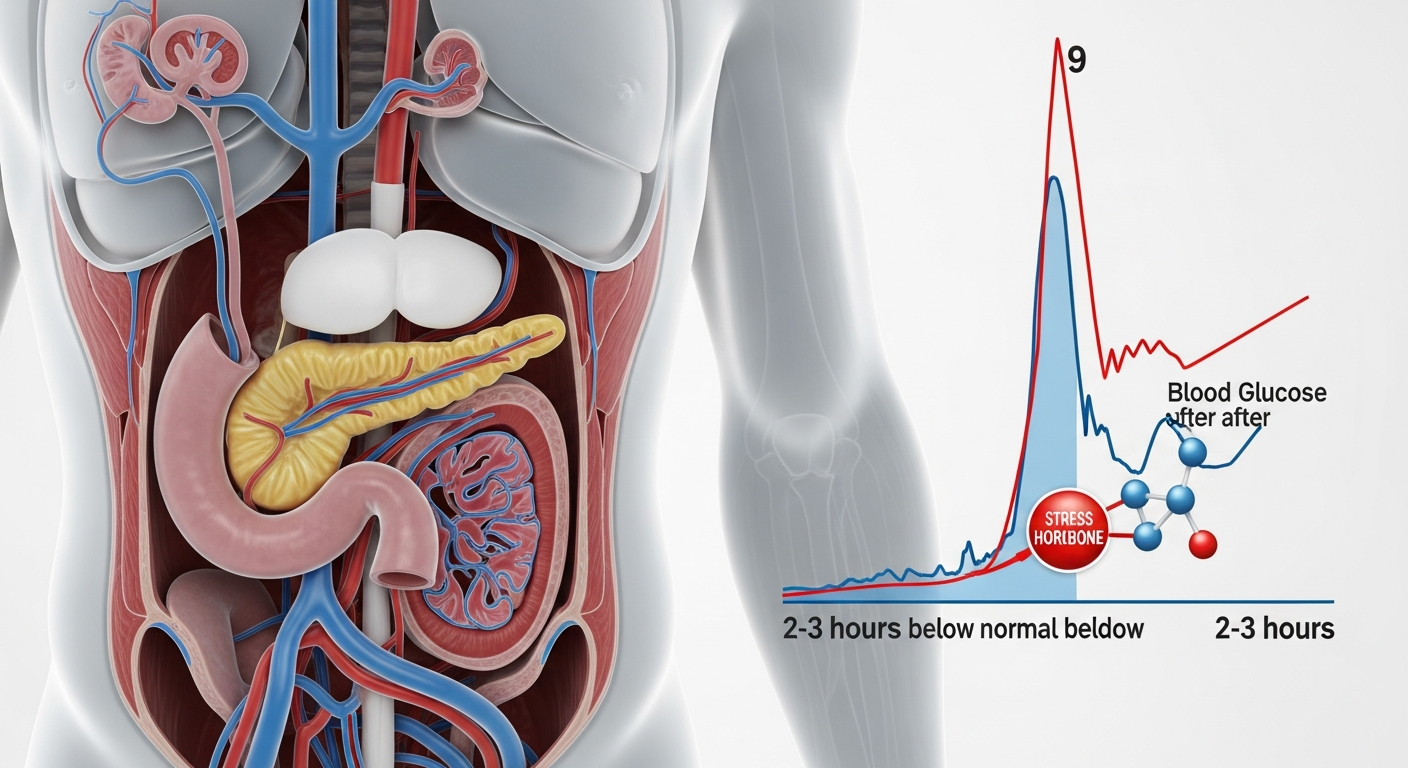
Reactive hypoglycemia triggers adrenaline surges that feel identical to panic attacks. Learn how to tell the difference and fix it with diet and testing.
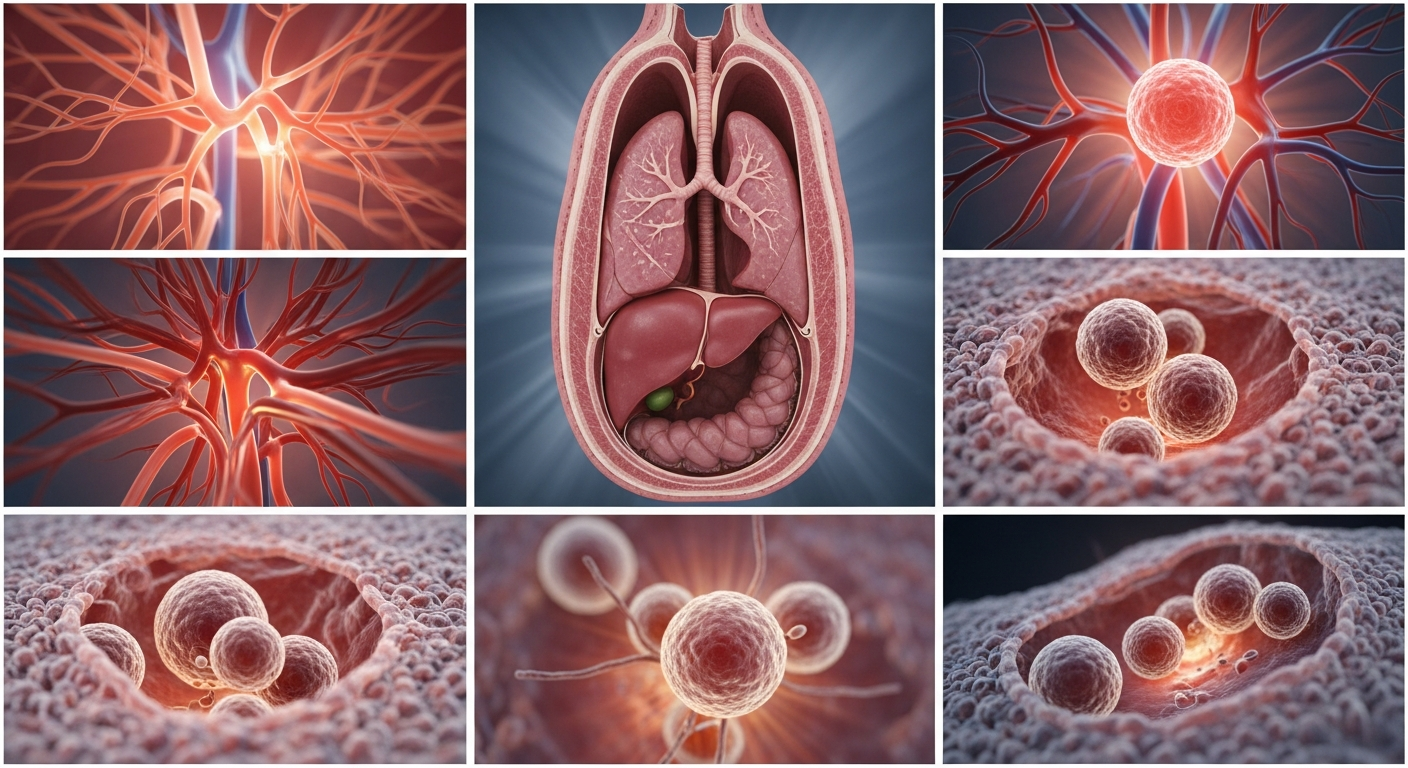
Mirtazapine causes weight gain by blocking H1 histamine receptors, driving appetite independent of mood. Learn what to expect and how to manage it.

PSSD post SSRI sexual dysfunction persists after stopping antidepressants. Learn what causes it, who’s at risk, and what limited treatments exist.

Brain zaps during antidepressant withdrawal are real and explainable. Learn what causes the electric shock feeling, which SSRIs are worst, and how to stop them.
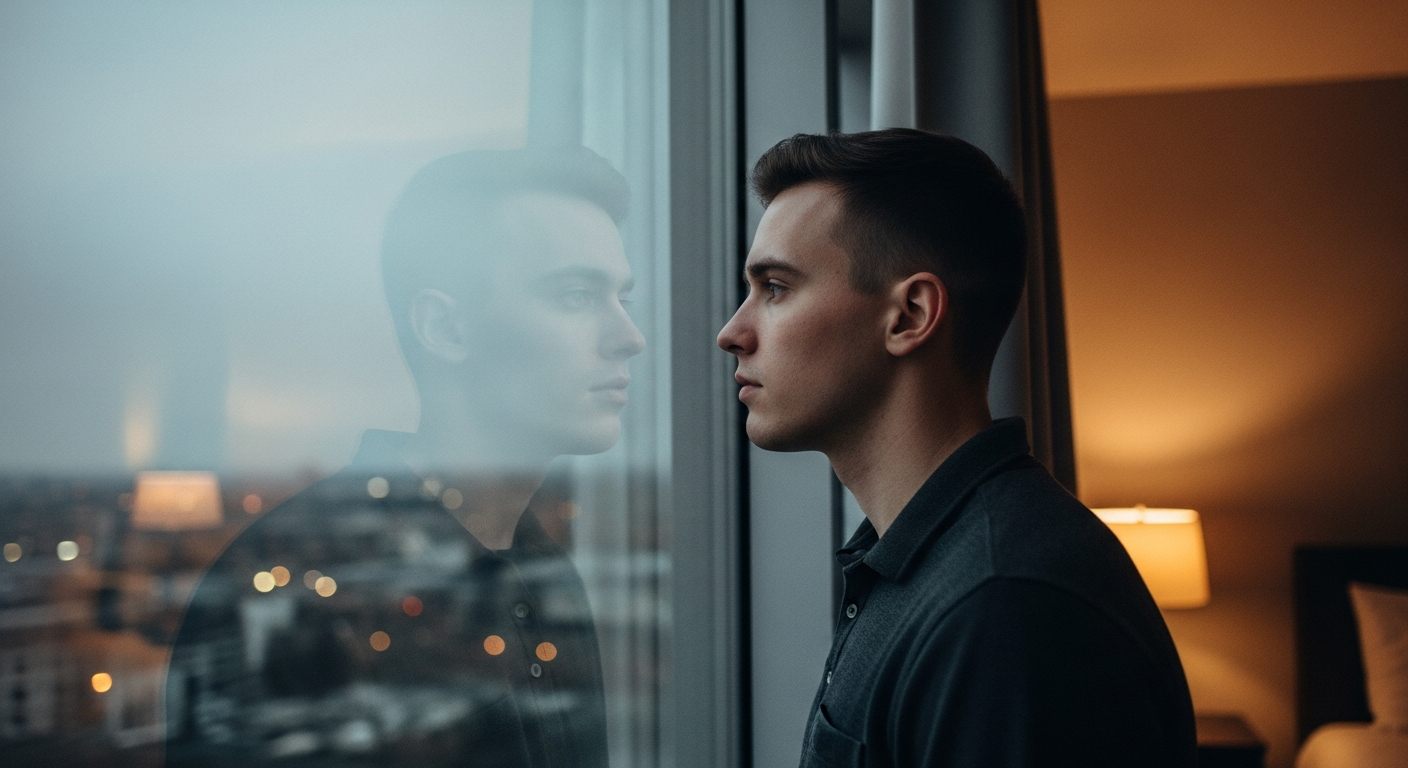
Depersonalization from anxiety makes the world feel unreal and your body feel foreign. Here is the neuroscience behind it and how to pull yourself back in minutes.
Wellbutrin vs Lexapro explained by mechanism, not just side effects. See which drug fits your symptom profile and why psychiatrists often combine them.

Hypnic jerk causes explained by neuroscience: brainstem misfires, caffeine timing, stress, and 4 proven steps to reduce sleep-onset twitches tonight.

Colorectal cancer diagnoses in adults under 50 have increased 51% since 1994, with cases in the 20-39 age group rising fastest. The most commonly dismissed red flag is rectal bleeding attributed to hemorrhoids. Here is what the data actually shows and when to see a doctor.