Polyvagal Theory in Plain English: The Three Nervous System Modes

Polyvagal theory explained: ventral vagal, sympathetic, dorsal vagal. The clinical framework, the science debate, and what to use anyway.

Polyvagal theory explained: ventral vagal, sympathetic, dorsal vagal. The clinical framework, the science debate, and what to use anyway.

Alexithymia affects 10% of people and 40-50% of autistic adults. Learn the TAS-20 criteria, the anterior insula deficit, and what actually helps.
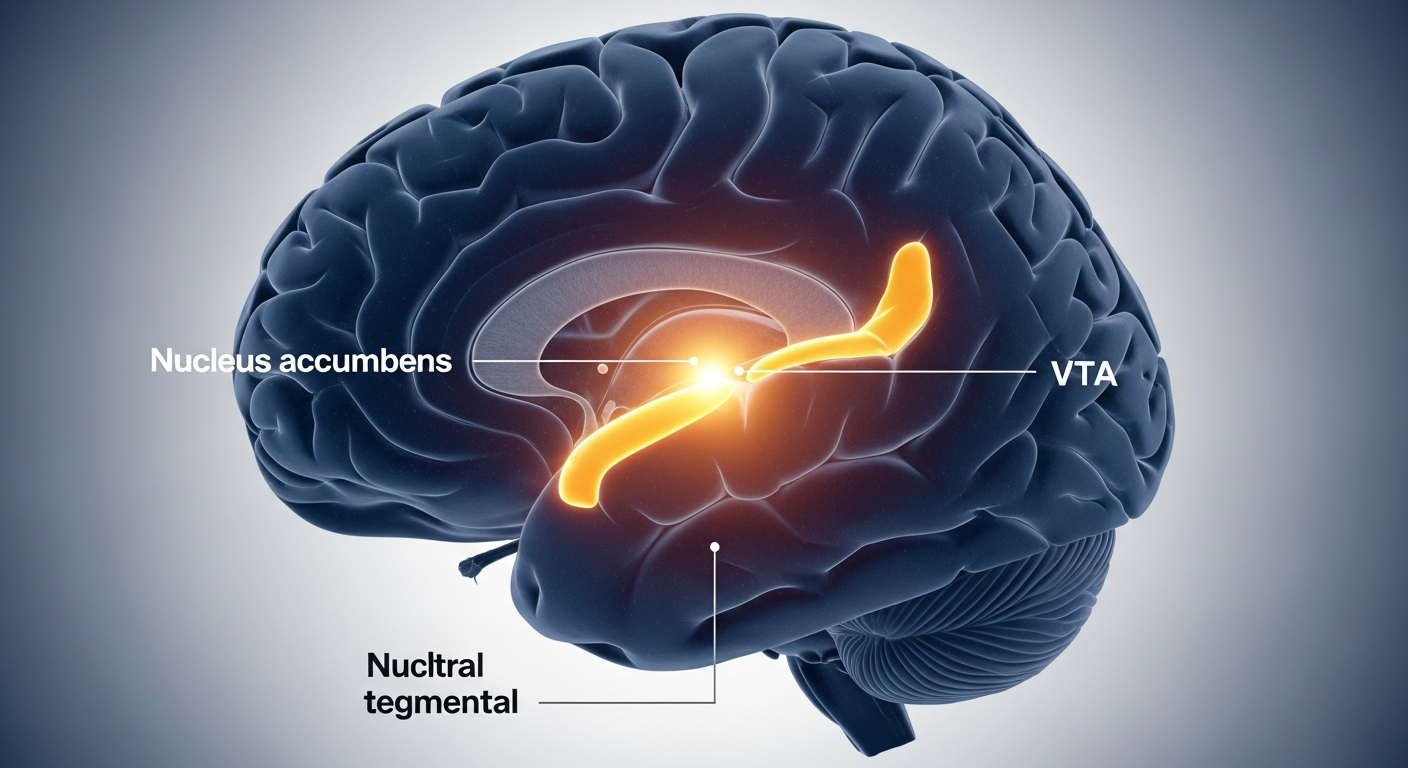
Anhedonia and dopamine explained: why depression kills pleasure, how the mesolimbic circuit fails, and which treatments actually restore it. (158 chars)

Delayed sleep phase syndrome is a real circadian disorder, not a habit. Learn what shifts your clock, why willpower fails, and what treatment actually works.
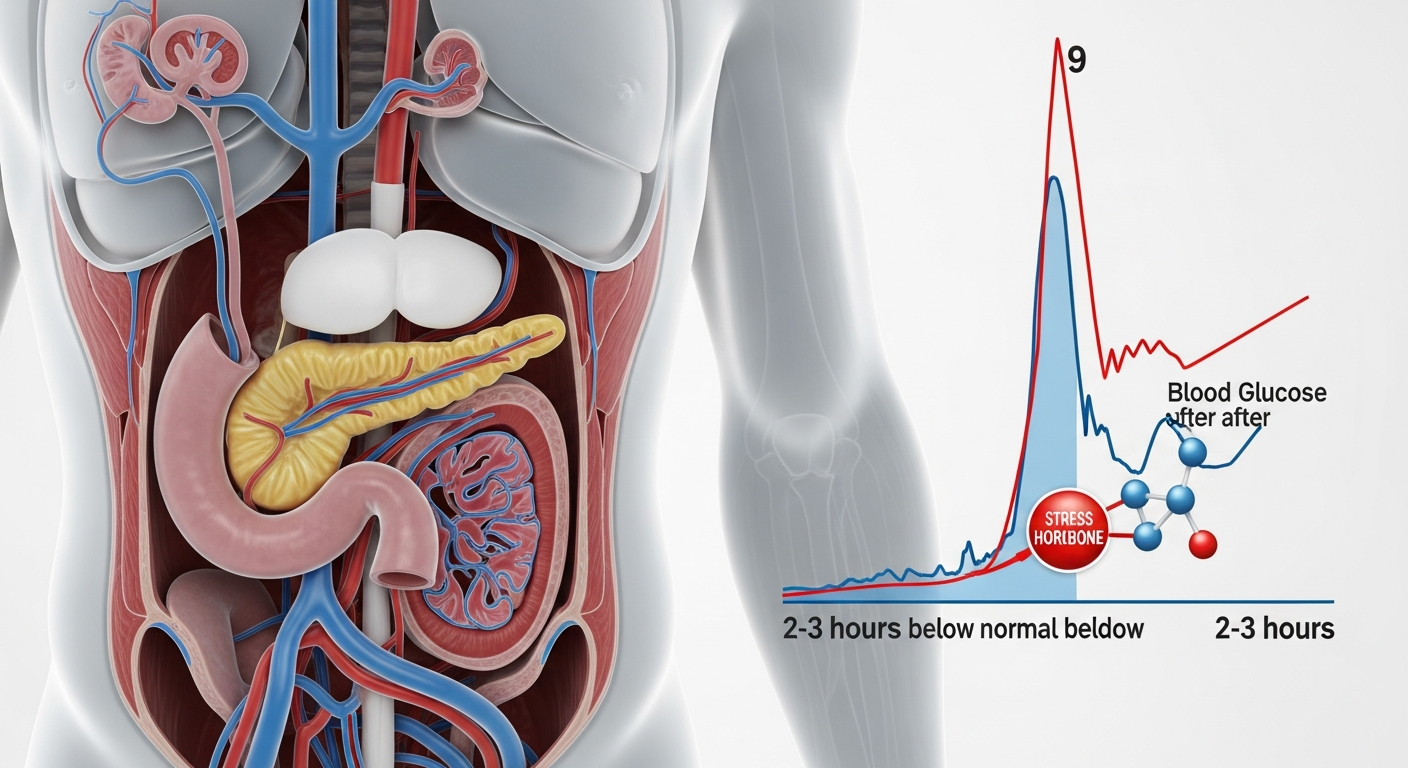
Reactive hypoglycemia triggers adrenaline surges that feel identical to panic attacks. Learn how to tell the difference and fix it with diet and testing.
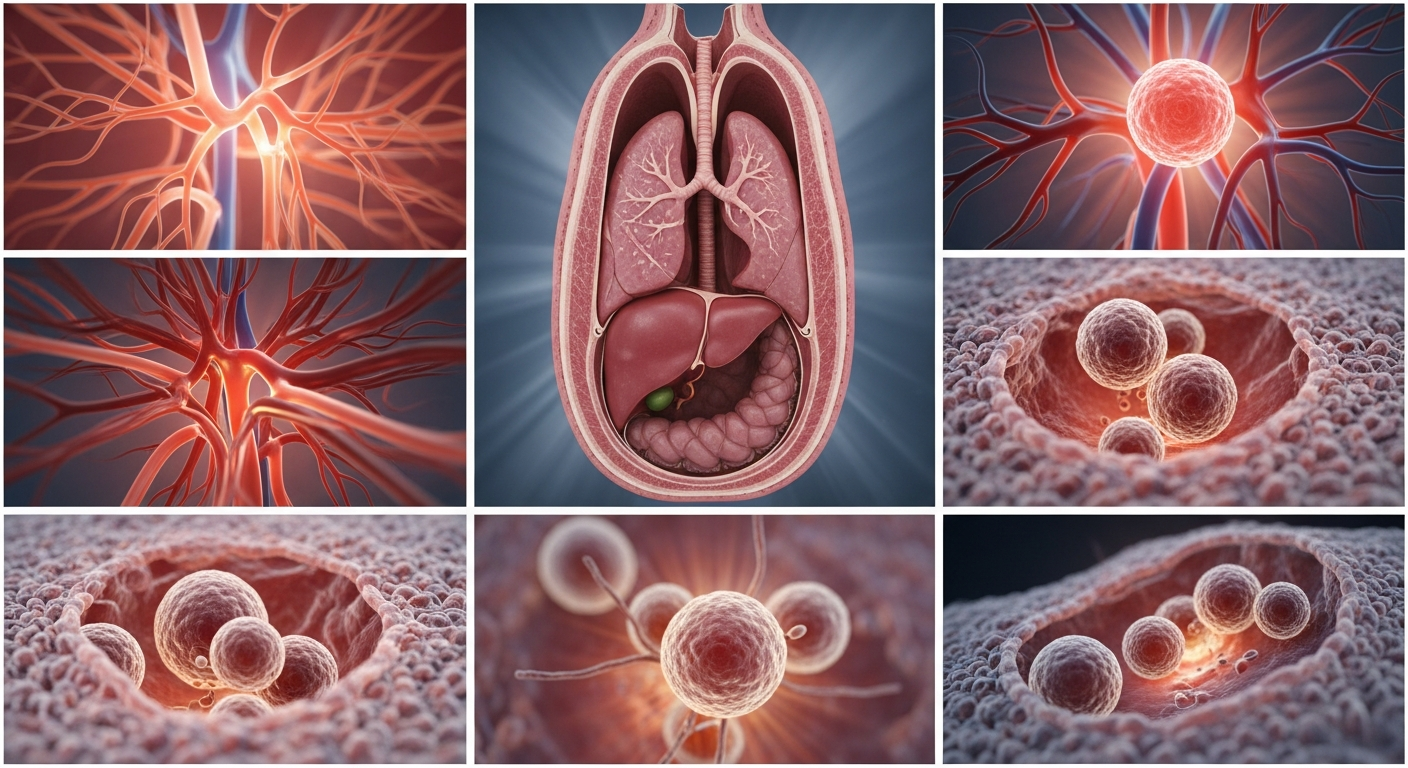
Mirtazapine causes weight gain by blocking H1 histamine receptors, driving appetite independent of mood. Learn what to expect and how to manage it.

PSSD post SSRI sexual dysfunction persists after stopping antidepressants. Learn what causes it, who’s at risk, and what limited treatments exist.

Brain zaps during antidepressant withdrawal are real and explainable. Learn what causes the electric shock feeling, which SSRIs are worst, and how to stop them.

Depersonalization from anxiety makes the world feel unreal and your body feel foreign. Here is the neuroscience behind it and how to pull yourself back in minutes.
Wellbutrin vs Lexapro explained by mechanism, not just side effects. See which drug fits your symptom profile and why psychiatrists often combine them.

Hypnic jerk causes explained by neuroscience: brainstem misfires, caffeine timing, stress, and 4 proven steps to reduce sleep-onset twitches tonight.

Colorectal cancer diagnoses in adults under 50 have increased 51% since 1994, with cases in the 20-39 age group rising fastest. The most commonly dismissed red flag is rectal bleeding attributed to hemorrhoids. Here is what the data actually shows and when to see a doctor.

Your body burns muscle instead of fat when you create a calorie deficit without adequate protein and resistance training. The exact threshold is a deficit over 500 calories per day combined with protein intake under 1.6g per kg bodyweight. This protocol fixes both.

Stopping Ozempic triggers a predictable sequence: food noise returns in 1-2 weeks, hunger hormones rebound within days, and most users regain 50-66% of lost weight within a year. Here is the complete timeline and what you can do about it.

Lexapro (escitalopram) withdrawal causes brain zaps, dizziness, and mood changes lasting 1-4 weeks on standard doses. Read the week-by-week timeline, risk factors, and evidence-based hyperbolic tapering protocol from the Lancet Psychiatry 2019.

Waking at 3am with racing heart and dread is triggered by the cortisol awakening response (CAR), which peaks at 30-45 minutes after waking and is amplified by chronic stress and HPA dysregulation. Here is the mechanism and what works.

The glymphatic system pumps cerebrospinal fluid through the brain during deep sleep, clearing amyloid beta and tau proteins linked to Alzheimer’s. One night of sleep deprivation raises amyloid by 5% on PET scan. Here is the full mechanism and what disrupts it.

GLP-1 drugs remove physical hunger with precision. They leave emotional eating completely untouched. What happens when the hunger noise stops and the emotional triggers are suddenly louder? Here is what the clinical evidence and patient experience actually show.
The fentanyl fold is not sedation. It is acute chest wall rigidity caused by fentanyl’s rapid CNS action, and it is the reason fentanyl overdoses kill so fast. Here is the pharmacology behind the pose.

Silexan (WS 1265) is a standardized oral lavender oil preparation that matched lorazepam for anxiety reduction in a 2010 RCT and outperformed paroxetine on tolerability in 2015. Here is what the clinical evidence shows and why it works without causing dependence.