
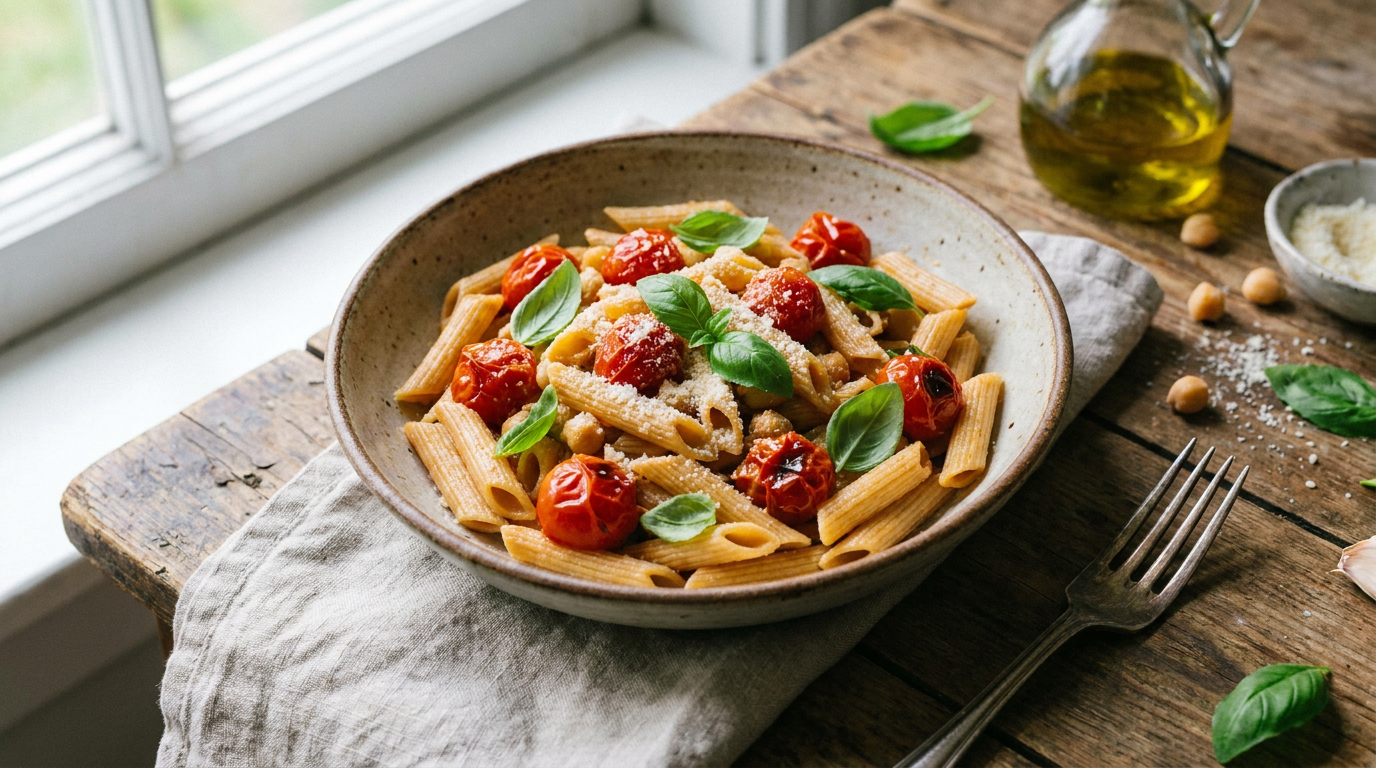
Protein pasta is pasta made mostly from legume flours, such as chickpea, lentil, or edamame, instead of the refined wheat used in regular pasta, and it delivers more protein and fiber per serving as a direct result. Whether that makes it better than regular pasta depends entirely on what you want a bowl of noodles to do for you. By the end of this piece, you will know what protein pasta is made from, how it stacks up against wheat pasta, and whether it fits your goals or just your grocery list.
What Protein Pasta Is Actually Made From
Most protein pasta brands rely on legume flours: chickpeas, lentils, black beans, or edamame ground into a fine base and shaped into the same fusilli, penne, and spaghetti forms you already know. Some blend that legume flour with added wheat protein or pea protein isolate to firm up the texture, since pure legume flour alone can turn mushy fast.
A smaller share use whole wheat flour boosted with extra gluten or protein isolate rather than swapping to legumes entirely. Read the ingredient list, since “protein pasta” is a marketing category, not a regulated one.
How Protein Pasta Differs From Regular Pasta
Regular pasta comes from refined durum wheat semolina, which is mostly starch with a modest amount of plant protein and very little fiber. Legume-based protein pasta flips that ratio, delivering noticeably more protein and considerably more fiber per serving, which is why it tends to feel more filling in smaller portions.
That fiber bump also means protein pasta digests more slowly, so it does not spike your appetite the way a bowl of white pasta can. If satiety is your goal, this is the entire selling point.
Taste and Texture: The Real Tradeoff
Chickpea and lentil pasta cook up denser and slightly grainier than wheat pasta, with a faint bean flavor that sauce mostly masks but does not erase. Edamame-based versions lean greener and firmer, closer to a soba noodle than classic Italian pasta.
Overcooking is the most common complaint, since legume pasta turns gummy fast if you leave it even a minute past al dente. Undercook it slightly on purpose and the texture problem mostly disappears.
Who Protein Pasta Actually Suits
People trying to hit a daily protein target without eating more meat, anyone leaning on the same satiety logic behind high protein snacks for weight loss, and those managing blood sugar swings get real functional benefit from the switch.
If you already eat a protein-heavy diet from meat, eggs, or dairy and love the silky bite of traditional semolina pasta, regular pasta paired with a protein-forward sauce may serve you just as well. The pasta is one variable on the plate, not the entire equation.
Building It Into a Realistic Rotation
Protein pasta works best rotated alongside other whole-food protein sources, the same logic behind stocking a rotation from our guide to high protein snacks you can actually buy at the store. Pair it with a lean protein and vegetables and the meal does more work than the noodle alone.
Keep a box in the pantry the way you would keep a protein snack drawer stocked at work, as one reliable option in a rotation, not the whole strategy.
Frequently asked questions
Does protein pasta actually taste different from regular pasta?
Yes, most legume-based versions have a faint bean flavor and a denser bite. Sauce and seasoning cover most of it, especially in tomato-based dishes.
Is protein pasta better for weight loss than regular pasta?
It can help, because the added fiber and protein tend to increase fullness per serving. It is not a substitute for a consistent eating pattern overall.
Can I cook protein pasta the same way as regular pasta?
Mostly, but watch the clock closely, since legume pasta turns gummy quickly past al dente. Start checking a minute or two earlier than the package suggests.