
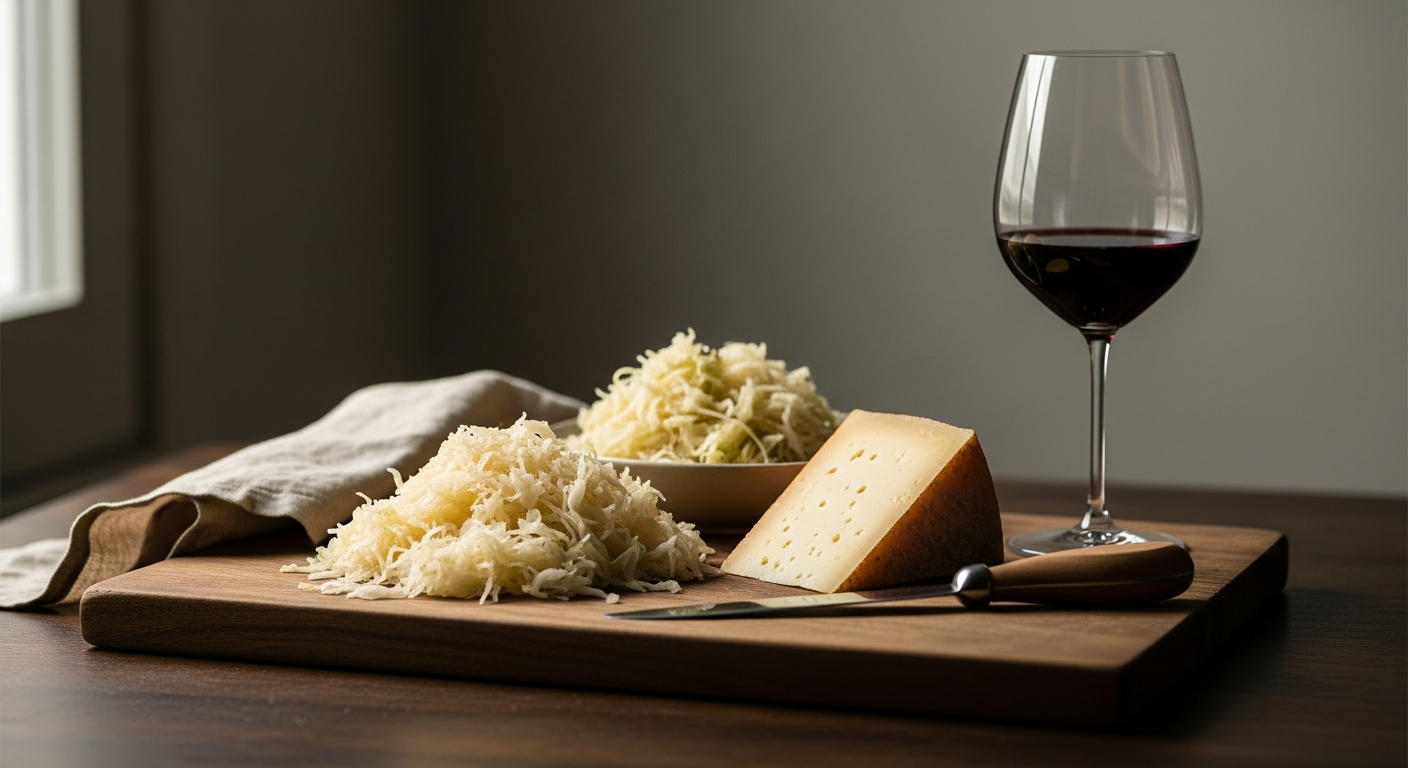
Fermented foods triggered your anxiety. That is not a coincidence, and it is not in your head. A growing body of research points to histamine overload as the mechanism behind a cluster of neurological symptoms, including racing heart, panic, and insomnia, that physicians routinely misattribute to an anxiety disorder. The 2007 review by Maintz and Novak in the American Journal of Clinical Nutrition documented more than 20 symptoms caused by histamine excess, several of which are clinically indistinguishable from generalized anxiety.
If fermented foods, aged cheese, red wine, or leftover meals consistently leave you feeling wired and on edge, histamine intolerance deserves serious consideration before you accept an anxiety diagnosis or add another supplement to your regimen.
What Histamine Intolerance Actually Is
Histamine intolerance is not an allergy. Allergies involve an immune response to a specific trigger. Histamine intolerance is an enzyme imbalance. Your gut produces an enzyme called diamine oxidase, abbreviated DAO, whose primary job is to break down dietary histamine before it can enter systemic circulation. When DAO activity is insufficient, either because of genetics, gut damage, alcohol use, or certain medications, dietary histamine accumulates faster than your body can clear it.
The result is a dose-dependent buildup. A single trigger food might be fine; two or three in the same meal pushes you past your personal threshold. This threshold concept explains why your symptoms seem random. You ate the same dinner last Tuesday with no problem, but tonight the combination of sauerkraut, a glass of red wine, and some aged parmesan sent you into a spiral. Your individual bucket overflowed.
Prevalence estimates vary, but a 2011 review in the Allergologie Select journal cited figures suggesting roughly 1-3% of the general population experiences clinically significant histamine intolerance, with higher rates in perimenopausal women, where falling estrogen further suppresses DAO activity.
Neurological Symptoms That Look Like Panic Disorder
The neurological effects of excess dietary histamine are where the misdiagnosis problem compounds. Histamine crosses the blood-brain barrier and acts directly on H1 and H2 receptors in the central nervous system. H1 receptor activation produces arousal, anxiety, and hypervigilance. H2 receptor stimulation drives cardiovascular effects, specifically tachycardia and palpitations.
What you get clinically: a racing heart, flushing, a sense of impending doom, difficulty sleeping, headaches behind the eyes, and a foggy, unreliable mental state that persists for hours after eating. That is the full symptom picture of a panic attack, and it is also the full symptom picture of histamine excess. Without a dietary history, most clinicians will land on the anxiety diagnosis every time.
The timing is the tell. Histamine intolerance symptoms typically appear within 30-90 minutes of eating the trigger food and resolve within a few hours. Pure anxiety episodes are more variable in their relationship to meals. If your worst anxiety days reliably follow specific meals, the timeline alone should prompt you to investigate further. You can read more about how physiological mechanisms produce anxiety symptoms in this piece on waking at 3am and the cortisol awakening response, which shares a similar mismatch-between-cause-and-diagnosis problem.
Foods That Contain the Most Histamine
Histamine content in food is not fixed at production. It accumulates over time through bacterial activity, which means storage duration matters as much as the food category itself. A freshly cooked piece of fish has negligible histamine; the same fish left in the refrigerator for 48 hours can carry a significant load.
The highest-risk categories are aged and fermented foods. Aged cheeses, particularly parmesan, gouda, and blue cheese, rank consistently high. Cured meats, including salami, pepperoni, and prosciutto, are major contributors. Fermented products such as sauerkraut, kimchi, kombucha, and kefir are among the densest histamine sources available in a typical diet. Wine, especially red wine, combines high histamine with alcohol, which independently blocks DAO activity. Vinegar, including the balsamic and apple cider varieties promoted heavily in wellness circles, adds further load. Leftover meals of almost any protein source accumulate histamine during refrigeration.
Certain foods are not high in histamine themselves but are histamine liberators, meaning they trigger mast cells to release stored histamine. Strawberries, tomatoes, citrus, and shellfish fall into this category. If you experience the same cluster of symptoms from these foods, mast cell involvement is worth discussing with a specialist.
Why Fermented Foods Specifically Trigger Anxiety
The fermentation paradox is real. Fermented foods are consistently promoted as essential for gut health, and for most people that recommendation has merit. For a subset of individuals with low DAO activity, the same foods are neurological triggers.
The mechanism is bacterial decarboxylation. During fermentation, bacteria convert the amino acid histidine into histamine through an enzyme called histidine decarboxylase. The longer and more active the fermentation, the higher the histamine content. Kombucha brewed for 14 days contains substantially more histamine than kombucha brewed for 7. Kefir made with certain bacterial strains produces more than kefir made with others.
This is also why probiotic supplements cause problems for some people with histamine intolerance. Specific strains, particularly Lactobacillus casei, Lactobacillus bulgaricus, and Lactobacillus helveticus, are histamine producers. Taking a broad-spectrum probiotic without knowing strain composition is a reasonable explanation for why probiotic supplementation sometimes makes anxiety worse rather than better. Lower-histamine strains such as Bifidobacterium infantis, Lactobacillus rhamnosus, and Lactobacillus plantarum are generally better tolerated. For more on how the gut-brain axis generates anxiety symptoms, the article on globus pharyngeus and the anxiety lump in the throat covers overlapping mechanisms.
Diagnosis and Management Options
There is no definitive single test for histamine intolerance, and that ambiguity is a legitimate frustration. A DAO serum level test exists and is available through specialist referral, but low DAO in blood does not always correlate perfectly with gut enzyme activity. The most reliable diagnostic tool remains a structured elimination trial.
A histamine elimination diet involves removing all high-histamine and histamine-liberating foods for 2-4 weeks, then systematically reintroducing them one category at a time. If your anxiety, palpitations, and insomnia resolve during the elimination phase and return predictably with reintroduction, the diagnosis is effectively confirmed by response.
Symptom management during higher-risk meals can include a DAO enzyme supplement taken 15-20 minutes before eating. These are available without prescription, and while evidence is still accumulating, several small trials suggest they reduce post-meal histamine burden in people with confirmed DAO insufficiency. Standard antihistamines, both H1 and H2 blockers, can also reduce acute symptoms. An allergy and immunology specialist is the appropriate referral if self-managed elimination trials are inconclusive, or if you suspect mast cell activation syndrome rather than simple dietary intolerance. The overlap between histamine intolerance and depersonalization symptoms during high-anxiety states is also worth noting; that mechanism is covered in detail in this piece on depersonalization and the observer mode feeling in anxiety.
Frequently Asked Questions
Is histamine intolerance the same as mast cell activation syndrome?
They overlap but are not the same condition. Histamine intolerance is a clearance problem: your DAO enzyme cannot break down dietary histamine fast enough, so it accumulates. Mast cell activation syndrome, or MCAS, is a release problem: mast cells throughout your body degranulate excessively in response to triggers, releasing histamine and other mediators. Some people have both. The distinction matters for treatment because MCAS requires stabilizing the mast cells themselves, not just reducing dietary histamine intake.
Can you outgrow histamine intolerance?
In some cases, yes. If the root cause is gut damage from celiac disease, inflammatory bowel disease, or dysbiosis, and that underlying condition is successfully treated, DAO activity can recover over months to years. Histamine intolerance that is primarily genetic is less likely to fully resolve. Many people find their threshold rises with gut repair, stress reduction, and avoiding alcohol, which allows them to tolerate more dietary histamine before symptoms appear, even if complete resolution does not occur.
Do antihistamines help with histamine intolerance symptoms?
H1 antihistamines (cetirizine, loratadine) reduce the neurological and skin symptoms driven by H1 receptor activation, including anxiety and flushing. H2 antihistamines (famotidine) reduce the cardiovascular and gastric symptoms. Using both classes together during a high-histamine exposure often provides more complete symptom relief than either alone. Neither addresses the underlying DAO deficiency, but both are reasonable acute management options while you work through dietary changes.
Why is wine worse than vodka for histamine symptoms?
Two reasons compound each other. Red wine carries significant dietary histamine produced during fermentation, plus additional biogenic amines including tyramine and putrescine. Vodka, being a distilled spirit, contains negligible histamine by comparison. Second, ethanol itself inhibits DAO enzyme activity, meaning any alcohol reduces your clearance capacity. With red wine you are simultaneously loading histamine and disabling the enzyme meant to clear it. With vodka you only have the enzyme inhibition problem, which is why some people with histamine intolerance tolerate a single vodka drink but react badly to even half a glass of red wine.
Histamine intolerance sits at an awkward intersection of gastroenterology, immunology, and psychiatry, which is exactly why it gets missed. If your anxiety has a consistent post-meal pattern, fermented foods are the most plausible culprit to test first. An elimination trial costs nothing and gives you an answer within a month.
This article is for informational purposes only and does not constitute medical advice. Consult a qualified healthcare provider before making changes to your diet, supplement regimen, or medication.
Schema
Medically reviewed by Dr. Marcus Reid. Last reviewed: May 2026. Educational, not personalized medical advice.