

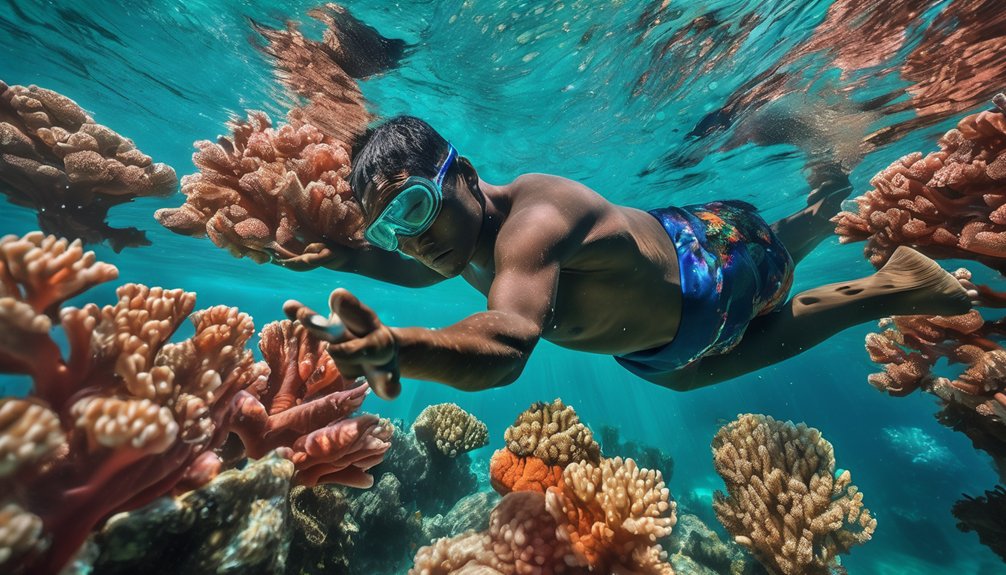
You can see how the Bajau people have biologically and culturally adapted to underwater life through their unique genetics and physiology. They have genetic traits that slow their heart rate and improve oxygen use, plus larger spleens and lung capacity for longer, deeper dives. Their traditional diving skills and cultural rituals support this lifestyle. While modern changes affect their heritage, these adaptations showcase human flexibility in extreme environments. Exploring further reveals the full scope of their underwater endurance and culture.
Origins and Lifestyle of the Bajau Sea Nomads
Although exact details about their early history remain uncertain, the Bajau people are widely recognized as indigenous sea nomads primarily found in maritime Southeast Asia, including parts of the Philippines, Malaysia, and Indonesia.
You’ll find their Bajau history deeply connected to the ocean, shaping a lifestyle centered around fishing, free diving, and boat living.
Bajau culture reflects a unique freedom, as they navigate the seas with remarkable skill and independence.
Understanding their origins and lifestyle helps you appreciate how they maintain traditions while adapting to changing environments, embodying a way of life defined by mobility and close ties to the marine world.
Genetic Adaptations for Prolonged Diving
Because the Bajau spend much of their lives diving to great depths, their bodies have developed remarkable genetic adaptations that support prolonged breath-hold diving.
These adaptations include specific genetic mutations that enhance their diving reflex, a natural response that conserves oxygen by slowing the heart rate and redirecting blood flow to essential organs.
Such mutations allow you to dive longer and deeper without surfacing frequently. This genetic advantage provides greater underwater freedom, enabling the Bajau to exploit marine resources efficiently.
Understanding these adaptations offers insight into human evolution and the body’s capacity to adjust to unique environmental demands.
Physiological Features Supporting Underwater Endurance
Genetic adaptations set the foundation for the Bajau’s underwater capabilities, but their bodies also exhibit distinct physiological traits that support extended time beneath the surface.
You’ll notice their spleens are larger, acting as oxygen reservoirs that release red blood cells during dives, enhancing breath control. Additionally, the Bajau have increased lung capacity, allowing them to hold more air and stay submerged longer without surfacing.
These features work together, optimizing oxygen use and reducing fatigue underwater. Understanding these physiological traits helps explain how the Bajau maintain freedom beneath the waves, pushing human limits in natural aquatic environments.
Traditional Diving Techniques and Cultural Practices
Several traditional diving techniques and cultural practices have shaped the Bajau people’s exceptional underwater skills. You’ll find that they use controlled breathing and slow movements to conserve oxygen while diving deep.
Traditional rituals play a key role, often performed before dives to invoke protection and success. These rituals maintain their connection to the sea and pass knowledge between generations.
Additionally, diving celebrations mark important communal events, reinforcing social bonds and honoring their maritime heritage. By understanding these customs, you appreciate how the Bajau preserve both their freedom and identity through a disciplined and culturally rich approach to underwater life.
Impact of Modern Changes on Bajau Underwater Heritage
As modern technology and economic development reach Bajau communities, their traditional underwater heritage faces significant challenges.
You’ll notice these impacts primarily through:
- Increased reliance on motorized boats, which alters fishing patterns and reduces the need for traditional freediving skills.
- Introduction of modern fishing equipment, potentially leading to overfishing and environmental degradation.
- Shifts in lifestyle that threaten the transmission of cultural knowledge to younger generations.
To maintain cultural preservation, you must balance adopting technology with protecting Bajau diving traditions, ensuring this unique underwater heritage continues despite ongoing changes.
Frequently Asked Questions
What Languages Do the Bajau People Speak?
You’ll find the Bajau people speak several Bajau languages, each with unique Bajau dialects. These languages reflect their diverse culture, letting you experience their freedom through vibrant, living words spoken across sea communities.
How Do Bajau Children Learn Diving Skills?
You learn diving techniques from a young age by watching and practicing with family, embracing water safety naturally. This hands-on approach frees you to explore underwater worlds confidently, blending tradition with your adventurous spirit.
What Is the Bajau Diet Beyond Seafood?
You’ll find the Bajau diet includes more than seafood; they’ve developed bajau agriculture practices, growing crops like cassava and sweet potatoes. These traditional food sources give them freedom from relying solely on the ocean’s bounty.
How Do Bajau Communities Govern Themselves?
You’ll find Bajau communities govern themselves through strong community leadership rooted in traditional customs. They value freedom, so leaders guide with respect and consensus, ensuring everyone’s voice shapes their shared way of life.
Are There Any Bajau Festivals Related to the Sea?
Yes, you’ll find Bajau sea festivals celebrating Bajau traditions, like the Regatta Lepa. These vibrant events honor their maritime lifestyle, letting you experience the freedom and deep connection they share with the sea.

